
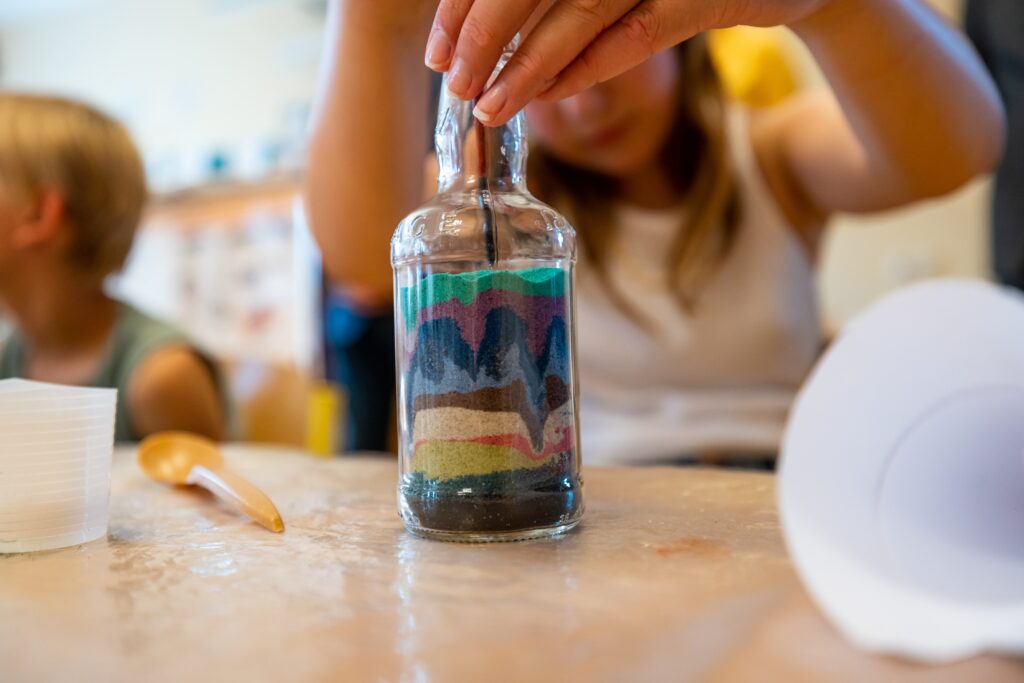
A recent report highlighted 39 products recalled over asbestos exposure concerns tied to sand-based consumer items sold in the UK. The recalls followed guidance from the UK’s Office for Product Safety and Standards, which said it was aware of consumer products containing sand contaminated with asbestos exposure and directed consumers to stop using affected items and follow recall instructions. Around the same time, reports from North Tyneside linked the recall wave to temporary school closures while play sand was tested.
That may sound like a distant consumer news story. It is not. It is a reminder of something families have learned the hard way for decades: when a dangerous product reaches the market, the harm does not end at the checkout line. It can follow a person into their home, a classroom, a daycare, or a child’s play area. In some cases, it can follow them for years.
Why These Recalls Matter
According to OPSS, the recalled products involve sand-based items that may contain a small quantity of asbestos. The agency says there is no safe level of asbestos in consumer products and that recalls are appropriate when asbestos is identified. Its consumer guidance tells people to stop using the product right away, double-bag it if needed, avoid creating dust, clean exposed areas with wet cloths, and keep children away until cleanup is complete.
That alone should get every parent’s attention. Many of the recalled items were toys, craft kits, and products made for children. This is what makes the story so troubling from a personal injury standpoint. Families do not expect danger in a sand art kit, a play product, or a craft box. They expect basic safety. When a product made for children carries a carcinogen, that raises serious questions about sourcing, testing, quality control, and warnings.
Asbestos Is Not Just An Old Jobsite Problem
Many people hear “asbestos” and think of old insulation, shipyards, refineries, or construction sites. Those are real exposure sources. But asbestos risk is not limited to industrial settings. Federal health agencies say exposure can still happen when contaminated materials release tiny fibers into the air, especially when a product is disturbed. Exposure has been linked to serious diseases including mesothelioma, lung cancer, and asbestosis.
That is why these recalls matter so much. A child playing with contaminated sand may not look “injured” in the way people usually think about a personal injury case. There may be no broken bone. No ambulance ride. No obvious scar. But toxic exposure cases often work differently. The damage can be hidden. Symptoms may not show up right away. In asbestos cases, illness can take years or even decades to develop. The cancer most closely tied to asbestos, mesothelioma, is known for that long delay.
The Personal Injury Angle Families Should Not Ignore
At its core, personal injury law is about accountability when a person is harmed by negligence or a dangerous product. Recalls do not happen in a vacuum. A recall can be a warning sign that something went wrong long before the product reached a family’s home. It can point to failures in manufacturing, screening of raw materials, supply chain oversight, product testing, labeling, or retailer response.
For many families, the first instinct is to think, “At least we caught it.” That is understandable. But the legal and medical concerns can go beyond returning a product for a refund. Questions may include:
- How long was the product in the home or school?
- Was it opened, poured, or played with repeatedly?
- Did anyone breathe in dust from it?
- Was there a clear warning?
- Did the seller or maker act quickly enough once the risk was known?
Children Deserve Better Than “Low Risk”
Some public guidance around these recalls has stressed that the risk from intact products may be low. That may be true as a general public health statement, but it should not become an excuse for complacency. Officials still say there is no safe level of asbestos in consumer products and instruct consumers to stop use immediately.
That matters because corporations and insurers sometimes hide behind phrases like “limited risk” or “precaution only.” Families should read those words carefully. Asbestos has been recognized for decades as a dangerous substance because inhaled fibers can stay in the body and contribute to severe disease later on.
This concern is not limited to children’s sand products either. Questions about contamination have also been raised in other consumer goods, including talc in cosmetic products, which shows how widespread these fears can become when sourcing and testing break down.
Recalls Can Be Evidence of a Bigger Problem
One of the most troubling parts of this story is that it does not appear to be limited to a single item. The article focused on 39 recalled products, but later reporting suggested the number of UK recalls connected to asbestos-contaminated sand products had grown even larger. Officials have also described the situation as one where any further asbestos-contaminated products should be recalled, and local authorities have called it an evolving issue.
That pattern is important in personal injury and product liability cases. When multiple products across multiple sellers are pulled for the same hazard, it can suggest a broader sourcing or supply problem. It can also mean many families were exposed before anyone realized what was happening. That is why recall stories like this should never be treated as minor retail housekeeping.
What Families Can Do After Learning About a Recall
The first job is safety. Follow the official recall instructions. Stop using the item. Do not shake it out or dump it in a way that creates dust. Bag it as directed. Clean exposed areas carefully. Officials say wet cloths should be used to avoid generating dust, and children should be kept away from the area until cleanup is complete.
The second job is documentation. Keep purchase records if you have them. Take photos of the product and packaging. Save recall notices. Write down where the item was used and who used it. In a personal injury context, small details can matter later, especially when exposure is the key issue.
When A Recall Becomes A Legal Matter
Not every recall leads to a claim, but some do. A personal injury case may become part of the conversation when a recalled product causes illness, creates measurable exposure, or shows evidence that a manufacturer or seller failed to take reasonable steps to keep people safe. In asbestos matters, those cases can become especially serious because the medical stakes are so high and the timeline can be so long.
For families, this is not just about a defective toy or a messy craft kit. It is about trust. Parents should not have to wonder whether a product marketed for play carried a toxic substance tied to life-changing disease. When that trust is broken, companies should be asked hard questions.
If your family has been affected by a recalled product or you are worried about asbestos exposure linked to a consumer item, our experienced asbestos attorneys may be able to help you understand your options and investigate whether a dangerous product played a role.
Contact Bailey Cowan Heckaman today for a free consultation.