
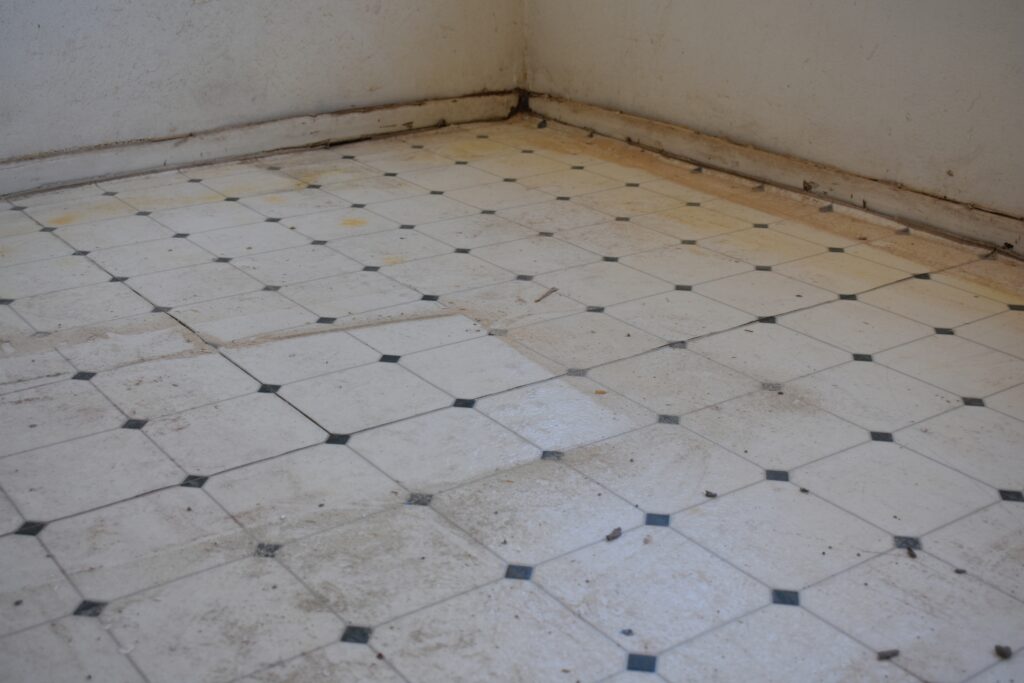
Flooring may not be the first place people think about when they hear the word asbestos. But in many older homes, schools, and commercial buildings, asbestos was used in vinyl floor tiles, sheet flooring backing, and the adhesives underneath them. The danger often is not the floor sitting in place untouched. The danger starts when the material is cut, sanded, scraped, drilled, or removed and tiny fibers get into the air.
Asbestos exposure is serious because those fibers can be inhaled deep into the lungs. According to federal health agencies, asbestos exposure can lead to diseases including asbestosis, lung cancer, and mesothelioma. Mesothelioma is a rare cancer strongly linked to asbestos exposure.
At Bailey Cowan Heckaman, we have a dedicated mesothelioma team focused on asbestos exposure claims, including cases involving job sites and other places where people may have been exposed.
Why Asbestos Was Used in Flooring
For decades, asbestos was added to building products because it was durable and resistant to heat. That made it attractive for construction materials, including some floor tiles, sheet flooring backing, and flooring mastics or adhesives. Federal consumer safety guidance still warns that asbestos may be found in some vinyl floor tiles, the backing on vinyl sheet flooring, and certain adhesives in older homes.
That history matters because many families still live or work around older flooring without knowing what is underneath their feet. A floor that looks harmless may contain asbestos if it was installed many years ago. In some cases, the flooring itself is the issue. In others, the mastic below it may contain asbestos. EPA guidance also notes that asbestos-containing floor tile and mastic remain part of federal asbestos regulation and testing guidance.
When Flooring Becomes Dangerous
Asbestos flooring is usually most dangerous when it is disturbed. ATSDR explains that disturbing asbestos-containing material can release tiny fibers into the air that are too small to see. Once airborne, those fibers may be inhaled.
This can happen during:
- DIY remodeling
- Demolition
- Floor replacement
- Sanding or grinding old tile
- Scraping old adhesive
- Damage from floods, fires, or heavy wear
A common mistake is assuming that flooring is safe to remove because it looks old or brittle but not dusty. The problem is that asbestos fibers are microscopic. You cannot rely on sight or smell to tell whether a product is releasing them. EPA also notes that more precise testing methods may be needed for floor tile because some methods can miss low levels of asbestos.
Common Flooring Materials That May Contain Asbestos
Older buildings may contain asbestos in more than one part of a flooring system. In some cases, the asbestos is in the tile itself. In other cases, it is in the backing of sheet flooring or in the adhesive used to keep the flooring in place. This is one reason flooring removal can become dangerous so quickly. Disturbing one layer may affect several asbestos-containing materials at once. Federal guidance continues to identify vinyl floor tile, sheet flooring backing, and some mastics as possible asbestos sources in older properties.
Older Homes and Buildings May Still Have It
One of the most troubling things about asbestos in flooring is that it may still be present in older structures today. Federal agencies continue to publish guidance for asbestos in homes and for asbestos-containing floor tile and mastic because the problem has not disappeared. EPA states that certain old uses, including some asbestos vinyl floor tiles and other building materials, remain important enough to require ongoing regulatory attention.
That means exposure risk is not limited to workers in factories from decades ago. Families, tenants, maintenance workers, school staff, contractors, and renovation crews may all face risk when older flooring is damaged or removed without the right precautions. CPSC says the best step in many situations is not to disturb asbestos material that is in good condition.
Health Risks Linked to Asbestos Exposure
The health dangers tied to asbestos are well documented. ATSDR states that people who have contact with asbestos are at risk of developing health problems. NCI identifies asbestos as the major risk factor for mesothelioma and also links breathing high levels of asbestos to lung cancer.
These diseases often take years to appear. In fact, symptoms may show up 20 to 50 years after exposure, which is one reason people are often diagnosed later in life.
Some asbestos-related conditions include:
- Mesothelioma
- Lung cancer
- Asbestosis
- Other lung and pleural disease
The long delay between exposure and diagnosis can make flooring exposure especially hard to spot. Someone may have torn out old floor tile years ago and not connect that work to a later illness. That is one reason exposure history matters so much in asbestos cases.
Why DIY Removal Can Be a Major Problem
Home improvement projects can create real risk when asbestos flooring is involved. Pulling up tile, breaking sheet flooring, or scraping hardened glue can send fibers into the air and spread contamination into nearby rooms. Even cleaning up after the job can increase exposure if dust is handled the wrong way. ATSDR warns that disturbing asbestos materials can release fibers, and CPSC advises people not to panic but not to disturb suspected asbestos materials in the home.
This is one reason old flooring should never be guessed at. A floor may look like ordinary vinyl tile, but appearance alone cannot confirm whether asbestos is present. EPA guidance explains that laboratory analysis may be needed and that material containing more than 1 percent asbestos must be treated as asbestos-containing material.
Flooring Exposure Is Not Just a Homeowner Issue
Asbestos in flooring can affect more than property owners. Workers who repair, replace, or demolish old floors may face repeated exposure over time. Asbestos exposure has historically happened in construction, factories, refineries, shipyards, aviation maintenance, and other industrial settings.
Flooring work can also create risk for other people nearby. A contractor may disturb flooring in a school, apartment building, office, or hospital. Dust can move beyond the immediate work area if the job is not handled properly. In older buildings, one renovation project can affect many people.
What Families Should Keep in Mind
If you believe old flooring in a home or building may contain asbestos, the safest approach is caution. CPSC says asbestos material in good condition is often best left alone rather than disturbed. When damage, wear, or renovation is involved, proper inspection and handling become critical.
For families already dealing with a mesothelioma diagnosis or another asbestos-related illness, answers may not come easily. Exposure may have happened at work, at home, during military service, or through renovation of an older property. Our team investigates where and how asbestos exposure happened, even when a family does not yet know the full exposure history.
How Bailey Cowan Heckaman May Be Able to Help
An asbestos-related diagnosis can leave victims and families scared, angry, and overwhelmed. At Bailey Cowan Heckaman, we understand that these cases are about more than a product or a job site. They are about real people whose lives have been changed by a preventable exposure.
Our team has a dedicated mesothelioma team and experience handling asbestos exposure claims. We may be able to help investigate where exposure happened, identify responsible companies, and pursue available compensation for victims and families.
If you or someone you love is facing mesothelioma after possible asbestos exposure from flooring or another source, call Bailey Cowan Heckaman at (713) 425-7100 or reach out online to learn more about your options.