
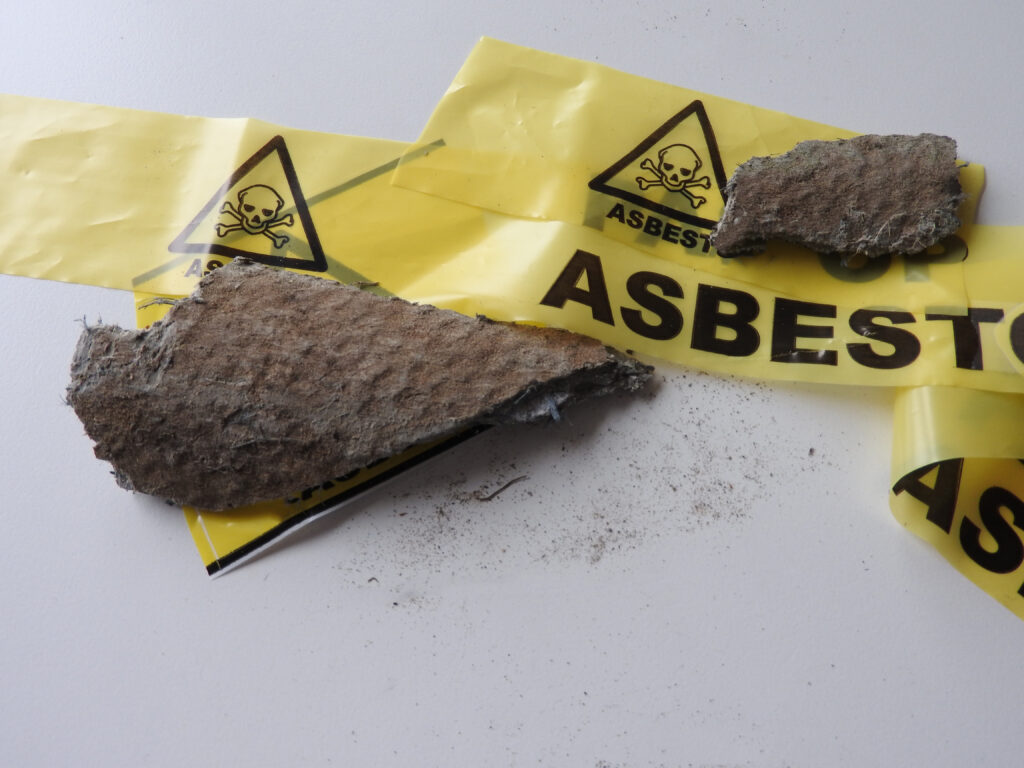
Exposure to asbestos can cause serious health problems, most commonly asbestosis and mesothelioma. While both diseases are linked to asbestos, they differ in how they develop, the severity of symptoms, and potential treatment options. Understanding these differences is important for patients, families, and anyone exploring legal options after exposure.
Bailey Cowan Heckaman represents individuals nationwide who have suffered from asbestos-related diseases. Our asbestos and mesothelioma attorneys help families navigate the medical, legal, and financial challenges associated with exposure to asbestos. Our team works closely with clients to investigate claims, hold negligent parties accountable, and secure compensation for medical costs, lost wages, and other damages.
Asbestos Diseases at a Glance
Asbestos-related conditions develop after inhaling or ingesting asbestos fibers, often years or even decades after exposure.
High-risk professions include:
- Construction
- Shipbuilding
- Manufacturing
- Automotive work
Individuals may also be affected by secondhand exposure through family members who worked in these environments. Both asbestosis and mesothelioma can result from prolonged or repeated contact with asbestos, and both diseases have long latency periods.
What Is Asbestosis? (Non-Cancer Lung Scarring)
Asbestosis is a chronic lung disease caused by the inhalation of asbestos fibers. Over time, these fibers irritate the lungs, causing inflammation and scarring. This scarring reduces lung capacity and makes breathing difficult. Asbestosis is not cancer, but it can severely affect quality of life and lead to complications such as respiratory failure.
Common signs and symptoms of asbestosis include:
- Shortness of breath
- A persistent dry cough
- Chest tightness
- Thickening of the fingertips known as clubbing.
The disease often progresses slowly and can take years to become noticeable. Management focuses on controlling symptoms and preventing further lung damage.
What Is Mesothelioma? (Aggressive Asbestos Cancer)
Mesothelioma is a rare and aggressive cancer that develops in the lining of the lungs, abdomen, or heart. Like asbestosis, it is caused by exposure to asbestos fibers. Mesothelioma typically progresses more rapidly than asbestosis and can be fatal if left untreated.
Symptoms often include:
- Chest or abdominal pain
- Shortness of breath
- Persistent cough
- Fluid buildup around the lungs or abdomen
- Unexplained weight loss
Because mesothelioma is a cancer, treatment strategies are more aggressive, often including surgery, chemotherapy, and immunotherapy where appropriate.
Asbestosis vs. Mesothelioma: Side-by-Side Comparison
The differences between asbestosis and mesothelioma can be seen across causes, symptoms, and treatment. The following table provides a clear comparison:
| Aspect | Asbestosis | Mesothelioma |
| Causes and Risk Factors | Prolonged asbestos exposure, high-risk occupations, secondhand exposure | Same as asbestosis, often includes higher intensity exposure |
| Workplace Negligence | Unsafe conditions, lack of protective equipment, failure to warn workers | Same as asbestosis, often involves multiple responsible parties |
| Symptoms | Shortness of breath, dry cough, chest tightness, clubbing, slower progression | Chest or abdominal pain, fluid buildup, rapid weight loss, faster and often fatal progression |
| Diagnosis | Imaging, CT scans, X-rays, pulmonary function tests, occupational history | Same tests plus biopsy for cancer confirmation |
| Treatment | Symptom management, oxygen therapy, pulmonary rehabilitation | Surgery, chemotherapy, radiation, immunotherapy, palliative care |
| Prognosis | Chronic condition, manageable but not curable | Often terminal, survival depends on stage and treatment |
Causes and Risk Factors
Both asbestosis and mesothelioma result from inhaling or ingesting asbestos fibers. Occupations with a high risk of exposure include construction, shipbuilding, automotive repair, and manufacturing. Families can also be affected through secondhand exposure from workers bringing fibers home on clothing.
Negligence often plays a role in asbestos-related diseases. Employers who ignored safety rules, manufacturers who failed to provide warnings about asbestos-containing products, and property owners who allowed dangerous conditions contributed to many cases. These failures can support legal claims for compensation.
Symptoms and Progression
Asbestosis symptoms tend to develop gradually. Shortness of breath, dry cough, chest tightness, and clubbing of the fingertips are common early signs. The disease typically progresses over years and can limit daily activities.
Mesothelioma symptoms often appear more suddenly and progress rapidly. Chest or abdominal pain, fluid buildup around organs, persistent cough, and weight loss are common. The disease is usually aggressive and requires immediate treatment.
How These Conditions Connect to Personal Injury Cases
Asbestos exposure can support personal injury claims when negligence can be shown. Many companies knew about the dangers of asbestos for decades but continued to use it without proper safeguards. When workers, consumers, or residents are exposed as a result, those responsible may be held accountable under the law.
Victims may pursue legal action against employers, manufacturers, or property owners who failed to provide safe conditions or adequate warnings. These claims can seek compensation for medical expenses, lost wages, pain and suffering, and other damages related to asbestos-related illnesses. A thorough investigation is often required to identify how exposure occurred, establish liability, and connect the exposure to the resulting diagnosis. An experienced personal injury attorney will be able to help prove your mesothelioma or asbestos related illness was caused due to working around the substance.
When Asbestos Exposure Becomes a Legal Claim
Legal claims often arise when individuals are exposed to asbestos due to preventable failures by those responsible for safety. In many cases, exposure could have been avoided if proper precautions had been taken or if clear warnings had been provided.
Legal claims often arise when:
- Employers ignored safety regulations, failed to train workers on asbestos risks, or did not provide proper protective equipment.
- Manufacturers sold or distributed asbestos-containing products without warning labels or instructions about safe handling.
- Property owners allowed asbestos hazards to remain unaddressed in buildings, exposing tenants, workers, or visitors.
These claims are designed to hold negligent parties accountable for the harm they caused and help victims pursue compensation. Financial recovery may include medical bills, lost income, reduced earning capacity, pain and suffering, and emotional distress associated with asbestos-related illnesses.
Common Questions About Asbestosis, Mesothelioma, and Lawsuits
Can Asbestosis Turn Into Mesothelioma or Can You Have Both?
Asbestosis itself does not become mesothelioma, but individuals with asbestosis have already been exposed to asbestos and remain at risk for developing mesothelioma. It is possible for someone to have both conditions simultaneously.
Do You Need a Lawyer If You Only Have Asbestosis?
Yes. Even if the condition is not cancerous, legal claims can help cover medical expenses, lost wages, and other damages. Early legal guidance ensures that deadlines are met and evidence is properly preserved.
What Evidence Helps Prove an Asbestos Injury Claim?
Key evidence includes employment records, medical documentation, product identification, witness testimony, and proof of unsafe conditions. Proper evidence helps establish liability and strengthens compensation claims.
How Bailey Cowan Heckaman Helps Asbestos Victims Nationwide
Asbestos-related diseases can have devastating physical, emotional, and financial effects on individuals and their families. Many people were exposed through their jobs, military service, or everyday products without being warned of the dangers. When a diagnosis occurs, families are often left facing complex medical decisions and uncertainty about their legal options.
Bailey Cowan Heckaman represents families across the United States affected by asbestos exposure. We investigate claims thoroughly, identify responsible parties, and fight for maximum compensation. Our team has experience handling complex litigation involving multiple defendants and works closely with medical experts to support each case.
Our firm helps clients and their families by offering the following services:
- Conducting detailed investigations to determine how and where asbestos exposure occurred.
- Identifying manufacturers, suppliers, contractors, and other responsible parties.
- Gathering employment records, medical documentation, and expert testimony to support claims.
- Working with qualified medical specialists to establish clear links between exposure and diagnosis.
- Managing complex cases involving multiple defendants and jurisdictions.
- Pursuing compensation for medical expenses, lost income, pain and suffering, and future care needs.
- Assisting families with wrongful death claims following asbestos-related losses.
- Handling all legal filings, negotiations, and court proceedings on your behalf.
Whether you or a loved one has asbestosis or mesothelioma, our lawyers are dedicated to helping you navigate the legal process, understand your rights, and pursue justice. Contact us today at (713) 425-7100 to schedule a free, confidential consultation and learn how we can help you or your family seek the compensation you need.