
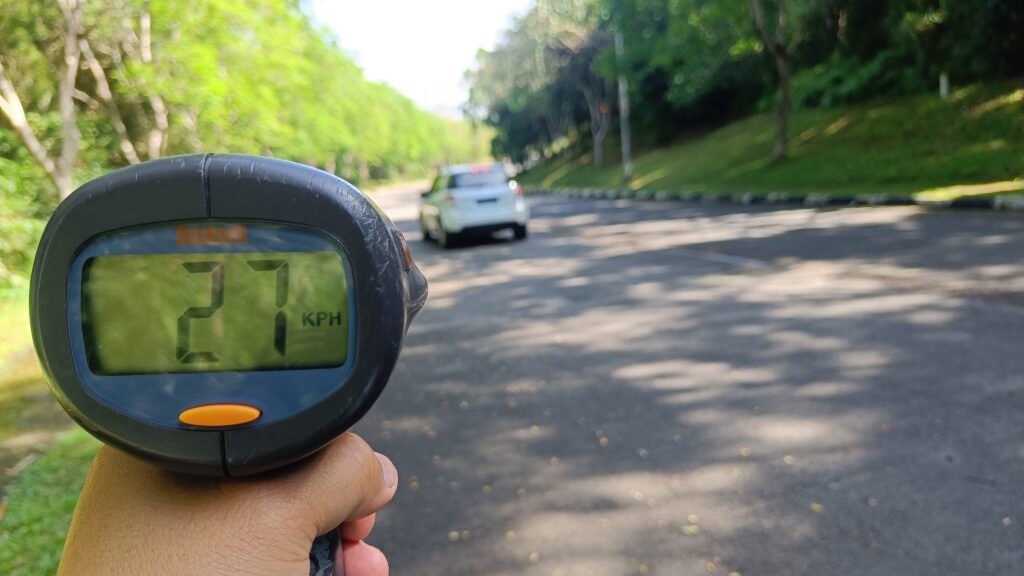
Texas drivers are about to see a lot more patrol cars watching their speedometers. According to a recent ABC13 report, the Texas Department of Transportation has announced increased speed enforcement across the state as part of an initiative called "Operation Slowdown."
This new operation is meant to tackle speed limit enforcement and reduce the number of accidents, but no operation will ever successfully end personal injury car accidents for good. BCH Law represents accident victims throughout Texas. Call us today at (713) 909-7910 to discuss your situation if you have been injured in a crash involving a speeding driver.
What TxDOT Says the Campaign Involves
According to TxDOT, Operation Slowdown involves coordinated efforts among law enforcement agencies across Texas to increase speed limit enforcement on the state's roadways. The initiative reflects growing concern from state transportation officials about the role speeding continues to play in the frequency and severity of crashes throughout Texas.
Why Speeding Remains a Leading Crash Factor in Texas
Speeding has long been recognized as one of the most significant contributing factors in serious and fatal crashes. According to the National Highway Traffic Safety Administration, speeding-related crashes remain a persistent nationwide safety concern, and Texas's size, high traffic volume, and extensive highway network make speed-related crashes a continuing challenge for the state specifically. This led to over 150,000 crashes in Texas alone and over 1,000 fatalities.
How Increased Enforcement Aims to Change Driver Behavior
Increased enforcement campaigns like Operation Slowdown are generally designed to change driver behavior through a combination of visible police presence and consistent ticketing. The theory behind these campaigns is straightforward: when drivers know enforcement is heightened, they are more likely to slow down, at least while the increased presence continues. Whether the effect is temporary or leads to more lasting behavior change often depends on how sustained and visible the enforcement effort remains over time.
What Stepped-Up Enforcement Means for Drivers
Whenever law enforcement enacts a new operation, the effect on Texas drivers is immediate and all-encompassing.
Tickets and Points
Drivers who are pulled over for speeding during this heightened enforcement period can expect the same consequences as any other speeding citation, including fines and points added to their driving record. Increased enforcement simply means a higher likelihood of actually being stopped and ticketed for speeding during this campaign.
How a Citation Can Affect a Later Injury Claim
If you receive a speeding citation and are later involved in an accident, that citation can potentially be used as evidence in a personal injury claim, whether you were the injured party or the other driver involved. A citation is not the same as a final determination of fault in a civil case, but it can factor into how liability is evaluated.
How Speeding Affects Fault in a Crash
Speeding by any driver involved in a crash is a relevant factor in determining fault, since traveling above the posted limit can affect stopping distance, reaction time, and the overall severity of a collision. When a speeding driver causes a crash, that speeding is typically a significant piece of evidence supporting a finding that they were negligent. That said, other factors, including the conduct of every driver involved, are also considered when fault is ultimately determined.
What to Do If You're Hit by a Speeding Driver
If you are involved in an accident with a driver you believe was speeding, a few steps can help protect your health and your potential claim:
- Seek medical attention immediately, even if injuries seem minor at first
- Call the police and request an official accident report
- Take photographs of the accident scene, vehicle damage, and any visible skid marks
- Get contact and insurance information from the other driver
- Get contact information from any witnesses
- Avoid discussing fault or giving a recorded statement to an insurance company before speaking with an attorney
How Comparative Fault Works in Texas
Texas follows a modified comparative negligence rule, meaning an injured person can still recover compensation even if they share some percentage of fault for the crash, as long as their fault does not exceed 50 percent. If you are found partially at fault, your total compensation is reduced by your percentage of responsibility. This system means that even in situations involving a speeding driver, the full picture of what happened, including the actions of every party involved, matters to how a claim is ultimately resolved.
Speak With a Texas Car Accident Attorney Today
At BCH Law, we understand how disruptive and frightening it can be to get hit by a speeding driver, especially with heightened enforcement campaigns like Operation Slowdown putting a spotlight on this issue across the state. With decades of experience and more than $2 billion awarded to our clients across a wide range of cases, our personal injury team knows how to investigate every detail of a crash, including citations, witness accounts, and physical evidence, to build the strongest possible case.
Part of what sets our firm apart is our commitment to individual representation. You are not a file passed between departments. You are a person who deserves aggressive, effective advocacy from a team that is genuinely invested in your outcome.
If you have been injured in a crash involving a speeding driver in Texas, do not wait to get legal guidance. Contact us at (713) 909-7910 for a consultation, and let our team help you understand your rights and next steps.