
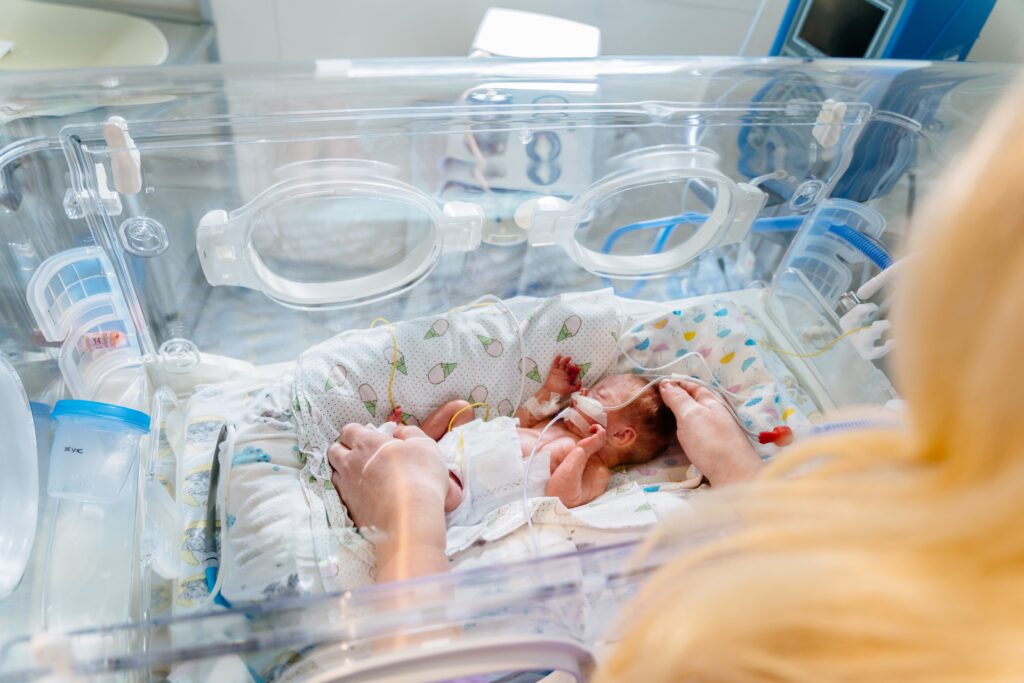
When a newborn cannot move one arm after delivery, it is only normal for parents to feel concern or even panic. A brachial plexus injury can affect a child’s shoulder, arm and hand. In serious cases, the effects may last for years or even become permanent.
Some of these injuries happen even when medical providers act with proper care. Others may be linked to excessive force, delayed action or mistakes during a difficult delivery.
A brachial plexus injury lawsuit may allow a family to seek financial support for medical care, therapy and the other ways the injury has changed their child’s life. It may also help hold a hospital or medical provider responsible when poor care causes preventable harm.
At Bailey Cowan Heckaman, we represent children and families affected by serious birth injuries in Texas. Our team looks closely at prenatal records, labor notes, delivery records and medical evidence to determine what happened.
Call (713) 909-7910 to discuss your child’s case during a free consultation.
What Is a Brachial Plexus Injury?
The brachial plexus is a group of nerves that runs from the spinal cord through the neck and shoulder. These nerves help control feeling and movement in the shoulder, arm, wrist and hand.
A brachial plexus injury happens when one or more of these nerves are stretched, compressed, torn or separated from the spinal cord. The seriousness of the injury depends on which nerves were harmed and how badly they were damaged.
Brachial plexus injuries may include:
- Neurapraxia: The nerve is stretched but not torn. Some children recover as the nerve heals.
- Neuroma: Scar tissue forms around a damaged nerve and may limit the signals traveling to the muscles.
- Rupture: A nerve is torn but remains attached to the spinal cord.
- Avulsion: A nerve is pulled away from the spinal cord. This is a severe form of nerve damage.
A child’s medical team may use physical exams, imaging or nerve tests to better understand the location and severity of the injury. A legal claim is separate from the child’s medical care and depends on whether a provider failed to meet the accepted standard of care.
What Is Brachial Plexus Birth Palsy?
Brachial plexus birth palsy describes weakness or loss of movement caused by a brachial plexus injury during birth. It may also be called neonatal brachial plexus palsy.
One common type is Erb’s palsy, which often affects the upper nerves in the brachial plexus. A child with Erb’s palsy may have weakness in the shoulder and upper arm while keeping some movement in the hand.
Other forms can affect more of the arm and hand. The child’s arm may appear limp, bent inward or held close to the body.
A diagnosis alone does not prove that malpractice occurred. A brachial plexus palsy malpractice attorney may review the delivery records and consult qualified medical professionals to determine whether the injury may have resulted from negligent care.
Signs of a Brachial Plexus Injury in a Newborn
Signs may be noticed immediately after birth or become clearer as the child grows. Parents may see that one arm moves differently from the other.
Possible signs include:
- A limp or weak arm
- Limited shoulder or elbow movement
- An arm held against the body
- A bent wrist or unusual hand position
- A weak grip
- Less feeling in the arm or hand
- Slower growth in the affected arm
- Trouble reaching, lifting or using both hands together
Parents may also notice that their child is not meeting movement milestones at the expected time. Medical concerns about a child’s movement or development can be discussed with the child’s treating provider.
Families may also consider speaking with a brachial plexus injury lawyer when the injury followed a difficult delivery, shoulder dystocia or the use of force to free the baby.
How Can a Brachial Plexus Injury Happen During Birth?
A baby’s brachial plexus nerves can be injured when the head, neck or shoulder is stretched during delivery. This may happen during a complicated birth, especially when the baby’s shoulder becomes stuck behind the mother’s pelvic bone. That emergency is known as shoulder dystocia.
Factors that may be reviewed in a brachial plexus birth injury case include:
- Suspected large fetal size
- Maternal or gestational diabetes
- A history of shoulder dystocia
- Prolonged or stalled labor
- Breech or difficult fetal position
- Assisted delivery with forceps or a vacuum
- Failure to respond to signs of a difficult delivery
- The amount and direction of force used during delivery
- Whether a timely cesarean delivery was considered
Some complications during delivery may be preventable when medical providers recognize warning signs and respond with proper care.
Not every risk factor means a doctor was negligent. Shoulder dystocia can also happen without warning.
The key legal question is whether the medical team responded as reasonably careful providers would have responded under similar circumstances.
When May a Brachial Plexus Birth Injury Lawsuit Be Possible?
A brachial plexus birth injury lawsuit may be possible when medical negligence caused or contributed to the child’s injury.
A claim may examine whether a doctor, nurse, midwife or hospital:
- Failed to recognize known delivery risks
- Failed to properly monitor the mother or baby
- Used excessive traction on the baby’s head or neck
- Used forceps or a vacuum improperly
- Failed to use accepted maneuvers during shoulder dystocia
- Applied unsafe pressure during delivery
- Continued a difficult vaginal delivery when another response was called for
- Failed to order a timely cesarean section
- Failed to document important events during labor and delivery
A misdiagnosis related to a birth injury may delay treatment or prevent a child from receiving timely care.
Texas medical liability claims are governed by Chapter 74 of the Texas Civil Practice and Remedies Code. These cases have detailed filing, notice and medical-report requirements.
Because each delivery is different, a poor outcome does not automatically establish malpractice. Medical records and qualified professional review are often needed to determine whether the standard of care was broken.
What Must Be Proven in a Brachial Plexus Lawsuit?
A family generally needs evidence showing that:
- A medical provider owed the mother or child a duty of care.
- The provider failed to meet the accepted standard of care.
- That failure caused or contributed to the brachial plexus injury.
- The child and family suffered harm as a result.
The defense may claim that the nerve injury happened naturally, before delivery or because of forces outside the provider’s control. A brachial plexus attorney may investigate those arguments by reviewing the full medical history and consulting the appropriate medical professionals.
Evidence may include:
- Prenatal medical records
- Ultrasound findings
- Fetal growth estimates
- Labor and delivery notes
- Fetal monitoring strips
- Medication records
- Operative reports
- Nursing records
- Newborn examinations
- Imaging and nerve test results
- Therapy and surgical records
- Testimony from witnesses and medical professionals
A detailed investigation can help separate a known birth complication from an injury caused by improper care.
Brachial Plexus Injury Compensation Amounts
There is no standard settlement amount for a brachial plexus injury. Online verdicts and settlements from other cases cannot predict what another family may receive.
Reported outcomes vary greatly because every child’s injury, future care needs and legal evidence are different.
Factors that may affect brachial plexus injury compensation amounts include:
- Whether the child is expected to recover
- The extent of permanent weakness or paralysis
- The nerves involved
- The number and type of surgeries needed
- Physical and occupational therapy needs
- Pain or loss of sensation
- Limits on school, work or daily activities
- The cost of future medical care
- The strength of the evidence showing negligence
- Available insurance coverage
- Texas laws that may affect recoverable damages
A child with temporary weakness may have very different needs from a child who has permanent loss of arm function. For that reason, a fair case evaluation must focus on the child rather than an online average.
What Compensation May Be Available?
When malpractice is proven, a brachial plexus lawsuit may seek compensation for the financial and personal harm caused by the injury.
Depending on the facts, damages may include:
- Past medical bills
- Future medical treatment
- Physical therapy
- Occupational therapy
- Surgery and follow-up care
- Assistive equipment
- Home or vehicle changes
- Pain and physical limitations
- Loss of enjoyment of life
- Reduced future earning ability
- Other care connected to the injury
Texas law places limits on certain noneconomic damages in medical liability cases. The way those limits apply can depend on the defendants and facts involved.
No lawyer can promise a specific result. A brachial plexus lawyer can examine the medical evidence, likely future needs and applicable Texas law before discussing a possible claim value.
How a Brachial Plexus Injury Can Affect a Child’s Life
A brachial plexus injury is not only a problem with one arm. It may affect how a child plays, learns, dresses and handles daily tasks.
Some children may need repeated therapy or surgery. They may struggle with sports, writing, lifting objects or caring for themselves. A visible difference between the arms may also affect a child’s confidence and emotional health.
Parents may face medical appointments, travel costs and time away from work. They may worry about whether their child will be able to live independently or perform certain jobs as an adult.
These concerns deserve to be taken seriously. A legal claim cannot undo what happened, but compensation may help a family prepare for the child’s long-term needs.
How Can a Brachial Plexus Attorney Investigate a Claim?
A brachial plexus attorney can begin by gathering the records from the pregnancy, labor and delivery. The attorney may look for signs that the medical team knew or should have known about a delivery risk.
The investigation may include:
- Building a timeline of prenatal care and delivery
- Reviewing fetal size estimates and maternal risk factors
- Examining how shoulder dystocia was handled
- Studying the delivery notes for traction or instrument use
- Comparing the records with the child’s nerve damage
- Working with qualified medical professionals
- Calculating possible future care costs
- Identifying each person or facility that may be responsible
Brachial plexus claims often fall under medical malpractice when a health care provider’s actions fail to meet the accepted standard of care.
Hospitals and insurance carriers may have their own lawyers and investigators. Bailey Cowan Heckaman can fight to protect your child’s interests while your family focuses on care and healing.
How Long Do Families Have to File in Texas?
Texas medical malpractice claims are subject to strict time limits. Claims involving children can be especially complex because different statutes and court decisions may affect how a deadline is calculated.
The exact deadline may depend on:
- The child’s age
- The date of the medical care
- When the injury was discovered
- The type of medical provider involved
- Whether a government-run facility was involved
- Other facts that may affect the limitations period
Texas also requires specific steps in health care liability cases. Waiting can make it harder to obtain records, locate witnesses and preserve evidence.
A family can speak with a Texas brachial plexus injury lawyer promptly to learn which deadlines may apply. This is general information, not a calculation of the deadline in any particular case.
What Does It Cost to Hire a Brachial Plexus Injury Lawyer?
Bailey Cowan Heckaman handles qualifying birth injury cases on a contingency-fee basis. This means the family does not pay an attorney fee upfront. The fee is collected from a recovery if compensation is obtained.
The terms of any fee agreement are explained before representation begins.
A free consultation gives parents a chance to share what happened, ask questions and learn whether our team may be able to help.
Why Families Turn to Bailey Cowan Heckaman
Birth injury cases require careful preparation, strong resources and compassion for what a family is going through.
At Bailey Cowan Heckaman, we understand that your child is more than a medical record or case number. Your child is part of a family and community that may now face years of uncertainty.
Our team can:
- Listen to your family’s concerns
- Review the medical and delivery records
- Investigate the actions of the medical providers
- Work with qualified professionals to study the injury
- Explain the legal process in clear language
- Fight for compensation tied to your child’s needs
We represent families in Houston and throughout Texas in birth injury cases involving nerve damage, cerebral palsy, oxygen loss and other serious harm.
Speak With a Texas Brachial Plexus Injury Lawyer
Learning that your child may have a lasting nerve injury can turn a joyful time into one filled with fear. You deserve clear answers about what happened and whether the harm could have been prevented.
A brachial plexus injury lawyer from Bailey Cowan Heckaman may be able to review the delivery, identify signs of negligent care and help your family understand its legal options.
Call (713) 425-7100 or contact us online for a free consultation.
Frequently Asked Questions About Brachial Plexus Lawsuits
Is Every Brachial Plexus Birth Injury Caused by Malpractice?
No. A brachial plexus injury may occur during a difficult birth even when the medical team follows the accepted standard of care.
A malpractice claim may be possible when a provider’s actions or failure to act caused or worsened the injury. The delivery records and medical evidence must be reviewed before that conclusion can be made.
Is Erb’s Palsy the Same as a Brachial Plexus Injury?
Erb’s palsy is one type of brachial plexus birth injury. It commonly affects nerves that control the shoulder and upper arm.
Other brachial plexus injuries can affect the forearm, wrist, hand or the entire arm.
Can a Child Recover From a Brachial Plexus Injury?
Some children regain movement as stretched nerves heal. Others may have lasting weakness, reduced range of motion or paralysis.
Recovery depends on the type and severity of the nerve damage. Questions about diagnosis, treatment and recovery can be directed to the child’s medical providers.
Can Parents File a Lawsuit on Behalf of Their Child?
Parents or legal guardians may be able to bring a claim on behalf of an injured minor. The legal process may include special rules for protecting money recovered for a child.
A Texas brachial plexus lawyer can explain how those rules may apply to a family’s situation.
Can a Lawsuit Be Filed Against Both a Doctor and Hospital?
Possibly. Responsibility may involve a doctor, nurse, midwife, medical group, hospital or another health care provider.
The proper defendants depend on who provided the care, what went wrong and the relationship between the people and facilities involved.
Will a Brachial Plexus Lawsuit Go to Trial?
Some claims are resolved through a settlement. Others proceed to trial when the parties cannot agree on responsibility or fair compensation.
The path of a case depends on the evidence, disputed issues and decisions made by the family with its legal team.
How Much Is a Brachial Plexus Lawsuit Worth?
There is no dependable average that can predict the value of a specific case.
The amount may depend on the child’s permanent limitations, care costs, future needs and the strength of the malpractice evidence. Reported results from other lawsuits do not guarantee or predict a future outcome.
What Records May Help With a Brachial Plexus Claim?
Useful records may include prenatal charts, ultrasound reports, fetal monitoring strips, labor notes, delivery records, newborn examinations and later treatment records.
Photos or videos showing the child’s arm movement over time may also provide helpful context. The importance of each item depends on the case.